Come Curious
Leave Changed

Arunachal Pradesh, India — one of the last unhurried corners of the Eastern Himalayas. Valleys cut deep between ridges. Forest air, cool and carrying pine. Roads that climb until the world goes quiet. Then, a community school built by a former monk. Few people come this far. It stays with the ones who do.

Explore The Journey
Scroll
11 Days
Journey
6
Max Guests
Oct 2026
Departure
1,500m-4,170m
Altitude
Tawang Monastery door
Sela Lake
Damu Heritage building
Butter lamp offering
White prayer flags
Damu Heritage dining room
Damu Heritage butter lamps
Mon Shugu red panda print
Monpa living museum interior
Monpa girl
Sungma architectural detail
Chug Valley river
Mandarin orange trees
Rhododendron forest
Tara Devi temple above the clouds
Bridge with prayer flags
Monk walking at dawn
Tawang Giant Buddha statue
Tawang Monastery with colourful prayer flags

Far from everywhere.
Close to something that matters.

Life at Jhamtse Gatsal

Life at Jhamtse Gatsal

Stay four nights on the school grounds, among the students. Join morning routines, share meals, and be part of whatever the day brings.

Conversation with the founder Photo courtesy of Jhamtse Gatsal

A Conversation With the Founder

Sit down with Lobsang Phuntsok, Jhamtse's founder and a former monk, for an unhurried talk on living well and what these mountains teach.

Village life near Jhamtse Gatsal

Village Life

Step into the villages where the students grew up. Share a meal, meet their families, and see the daily rhythms they still keep.

Tawang Monastery interior

Monasteries & Sacred Spaces

Linger, don't rush inside Tawang Monastery, among the largest Buddhist monasteries, and Urgelling, birthplace of the 6th Dalai Lama.

Cultural performances Photo courtesy of Jhamtse Gatsal

An Evening of Song & Dance

Watch students perform traditional Monpa music, dance, and song. A taste of the culture they carry and hold dear.

Traditional Mon Shugu paper crafts

Traditional Crafts

Discover a thousand-year-old craft still alive at a Mon Shugu paper shop, where artisans transform Daphne bark into handmade paper by hand.

Trails, rivers and prayer-flag bridges near Jhamtse Gatsal

Trails, Birds & Orchards

Hike through rhododendron ridgelines, spot birds at dawn, fish trout from rivers, and pick apples straight from the branch.

Monpa cuisine

Monpa Cuisine

Savour butter tea, momo dumplings, hand-pressed buckwheat noodles, millet pancakes, chuurpi cheese from yak milk. And chang, a beer brewed the same way for generations.

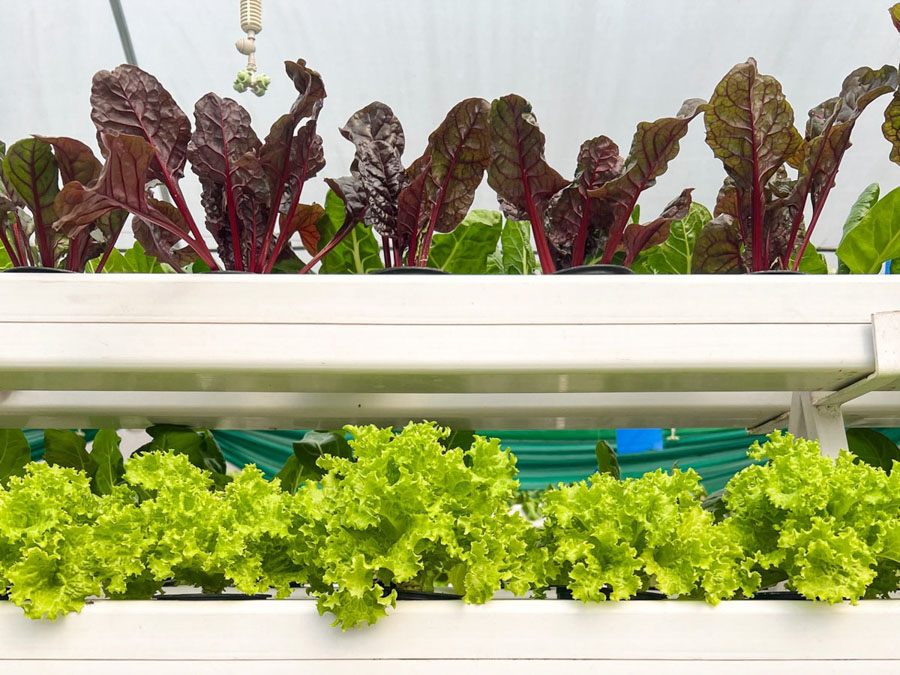
Hydroponic greens grown at Jhamtse Gatsal

Living Sustainably

Walk through the organic garden, see the vermicomposting and upcycling systems at work. Everyday practices that live in harmony with the land.

The Heart of the Journey: Jhamtse Gatsal

Founded in 2006, Jhamtse Gatsal — "Garden of Love and Compassion" in Tibetan — is home to more than 125 children from Arunachal Pradesh. Many marginalised, some abandoned, all welcomed.

Its founder, Lobsang Phuntsok, was once one of them. Sent to a monastery as a child, he was later chosen by the Dalai Lama to teach Tibetan Buddhism in the United States. Years of visits home, seeing children living the life he'd escaped, led him to return and build Jhamtse Gatsal.

More than a school, it's a home where children live and learn. A community rooted in compassion, where mindful living is practised. Every child grows with the heart to care and the skills to serve. It's also shaped by a strong ethos of sustainability: organic farming, natural construction, a plastic recycling centre for the wider district, and solar power across much of the campus.

When you visit, you are welcomed into daily life.

A story told across twelve years
Tashi and the Monk documentary poster

Tashi and the Monk

The Emmy Award-winning documentary (2016) that introduced the world to Jhamtse Gatsal. It follows Tashi, a wild and troubled 5-year-old, as she arrives at this remote community and discovers the healing power of love and compassion.

Watch on YouTube
Loving Karma documentary poster

Loving Karma

The long-awaited sequel, currently premiering around the world. It returns to Jhamtse Gatsal 12 years later to witness Tashi's transformation over time. A story of how choosing compassion doesn't just change one life, but plants seeds of healing that ripple outward.

Learn More
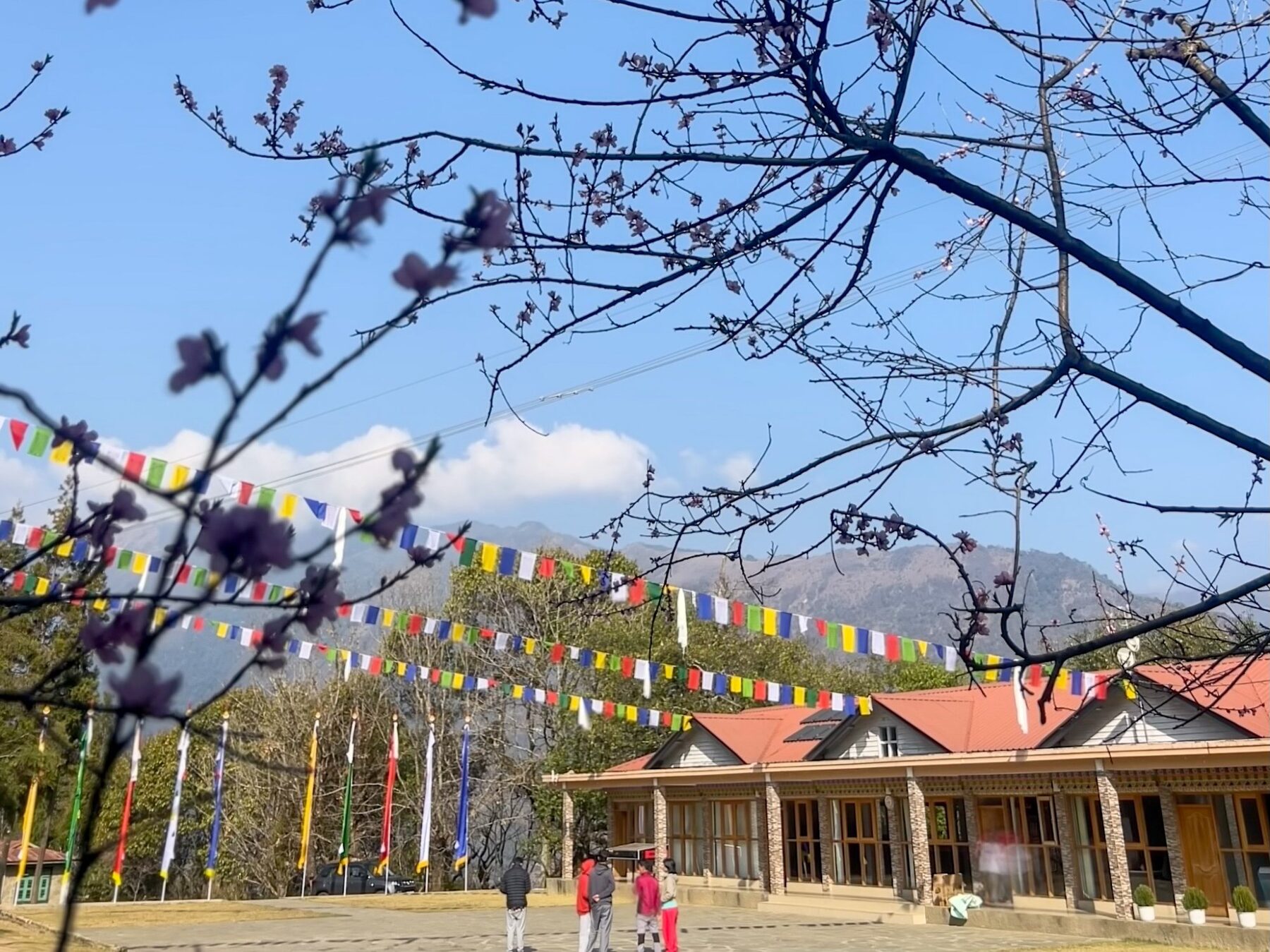
Jhamtse Gatsal main block with prayer flags
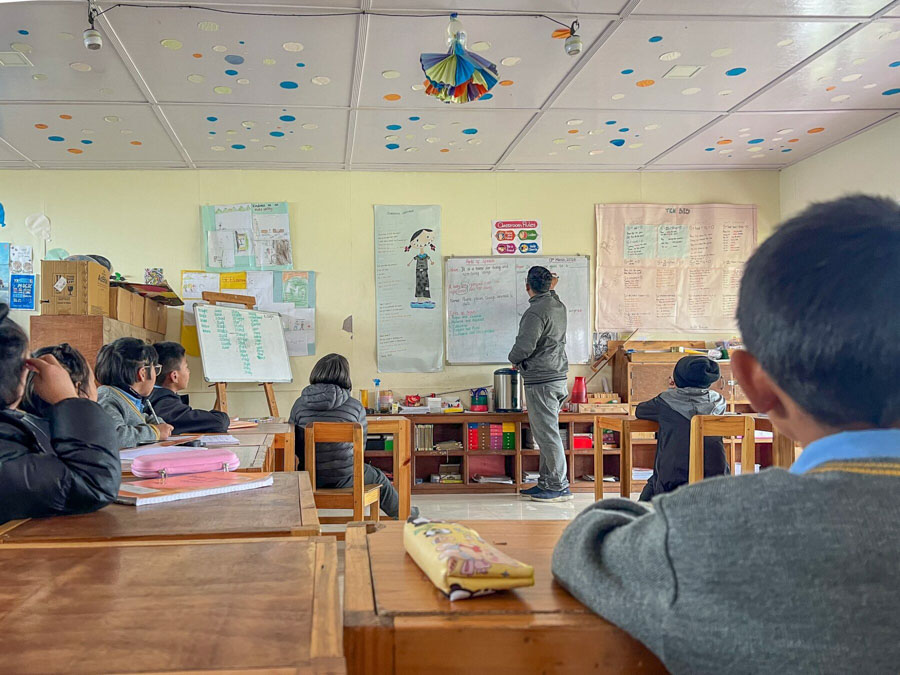
Students in classroom
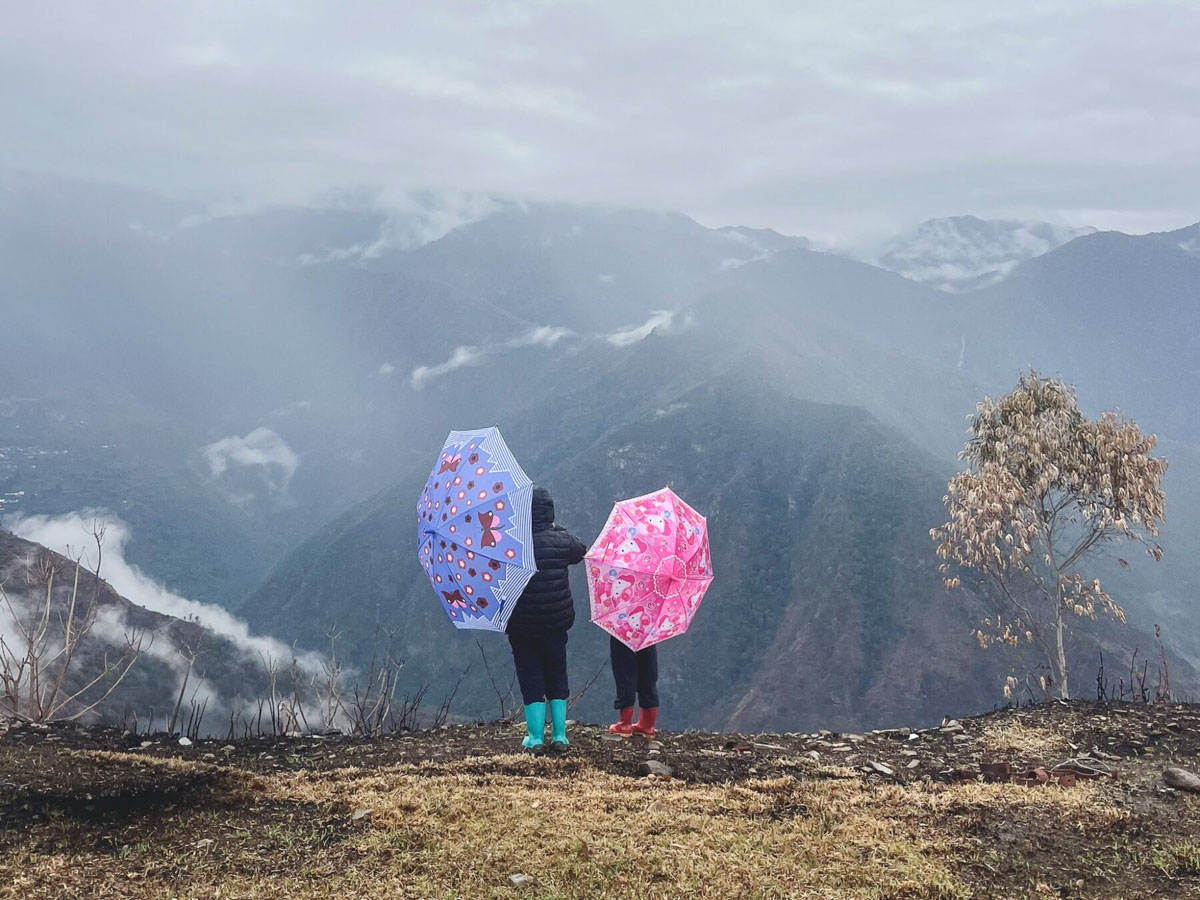
Children overlooking the valley
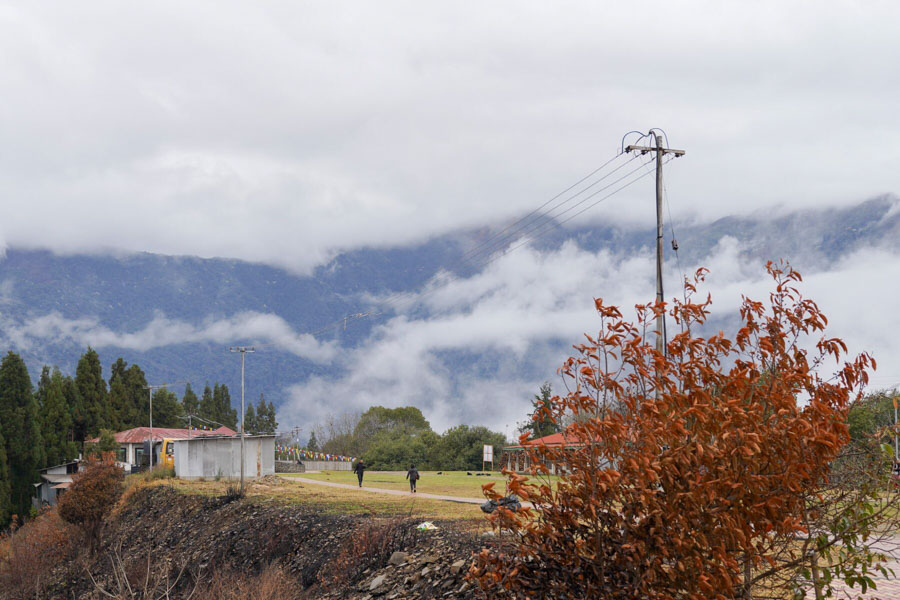
Main field reflected in rainwater
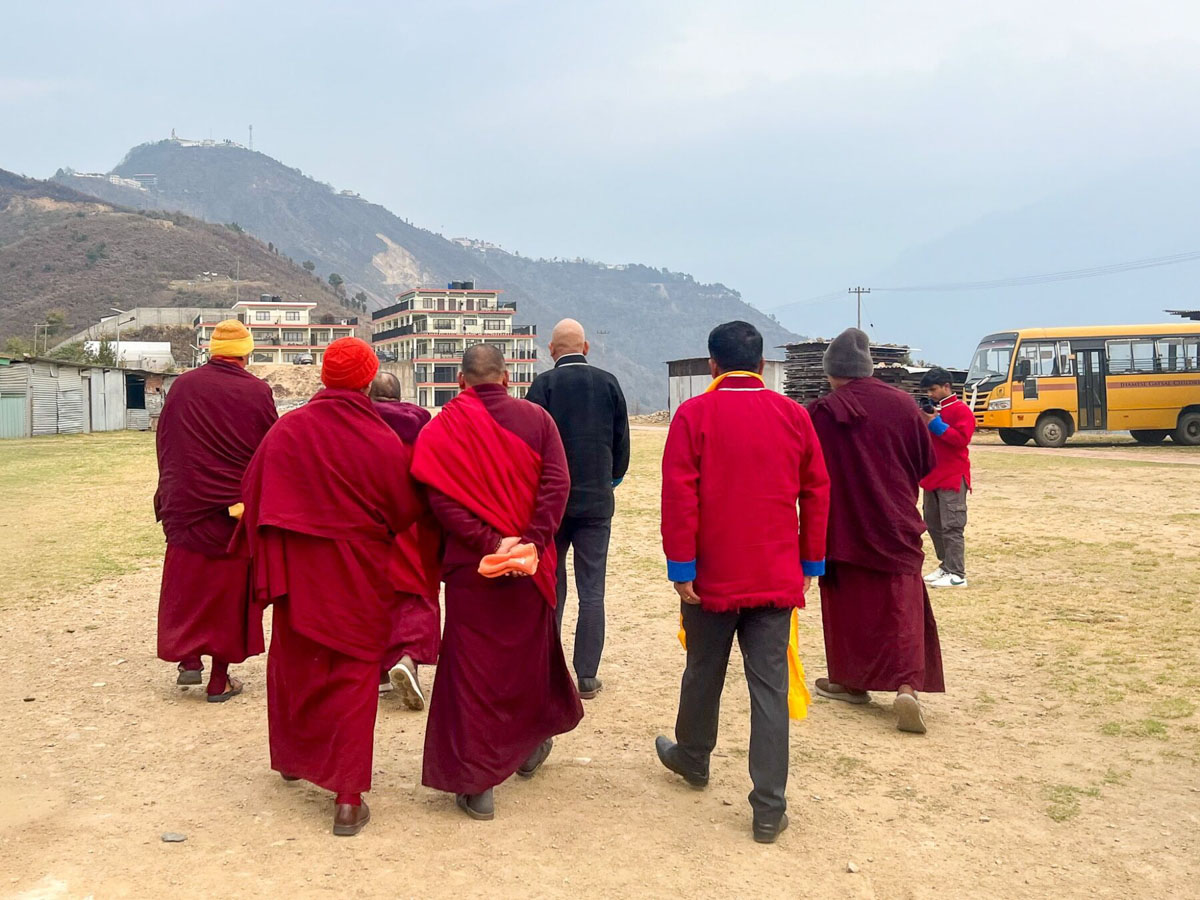
Monks visiting the school grounds
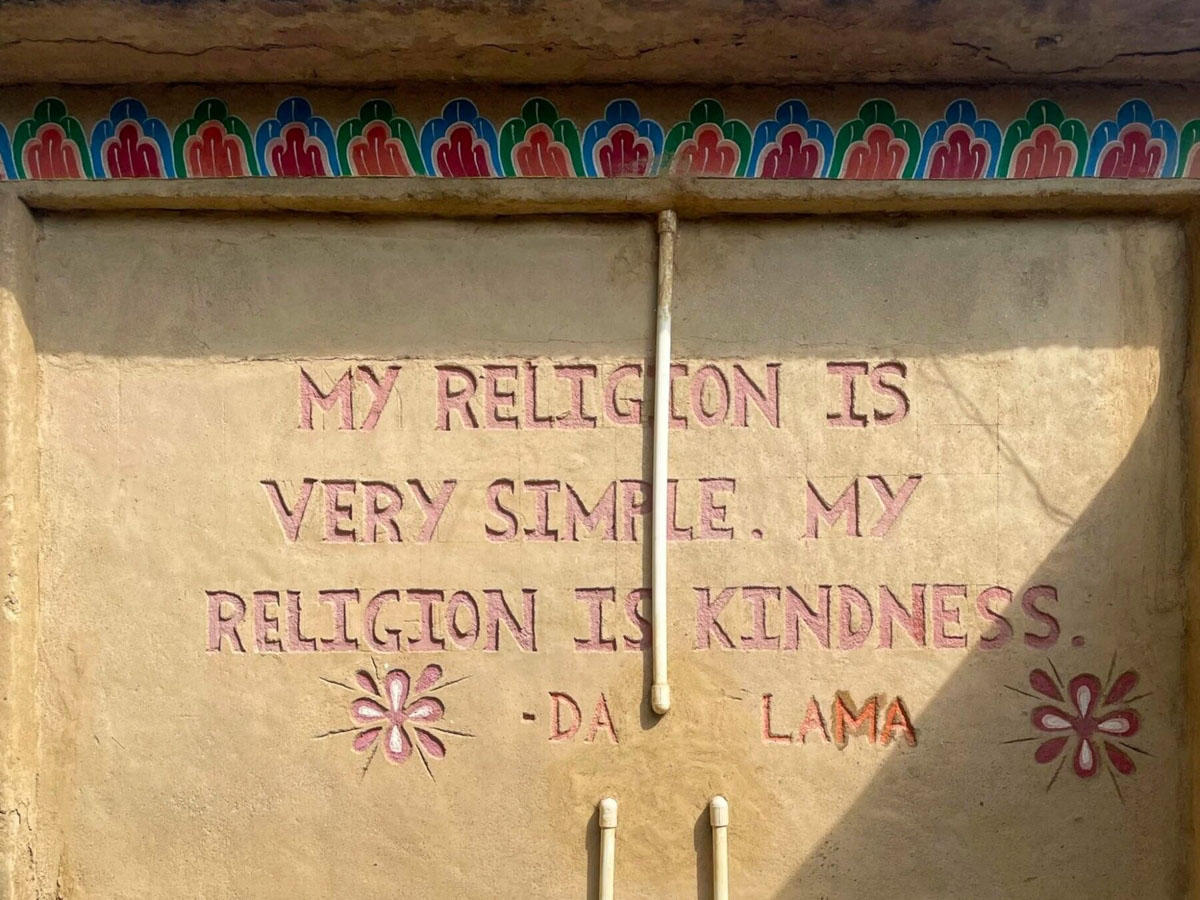
Dalai Lama quote on the cob house wall
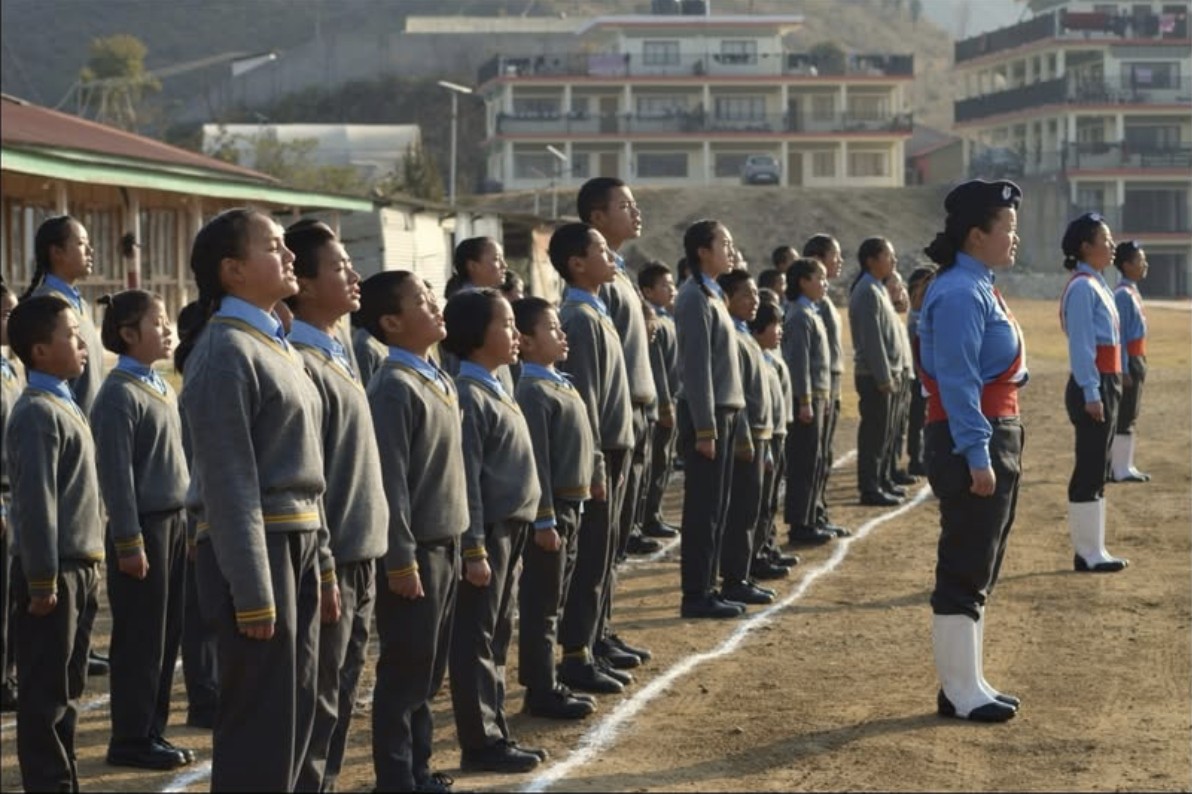
Students at morning assemblyPhoto courtesy of Jhamtse Gatsal
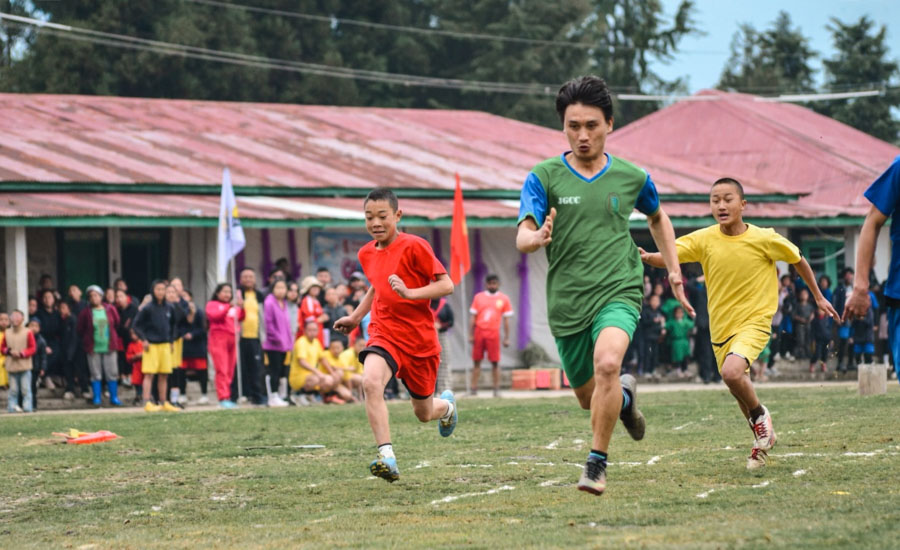
Students racing on sports dayPhoto courtesy of Jhamtse Gatsal
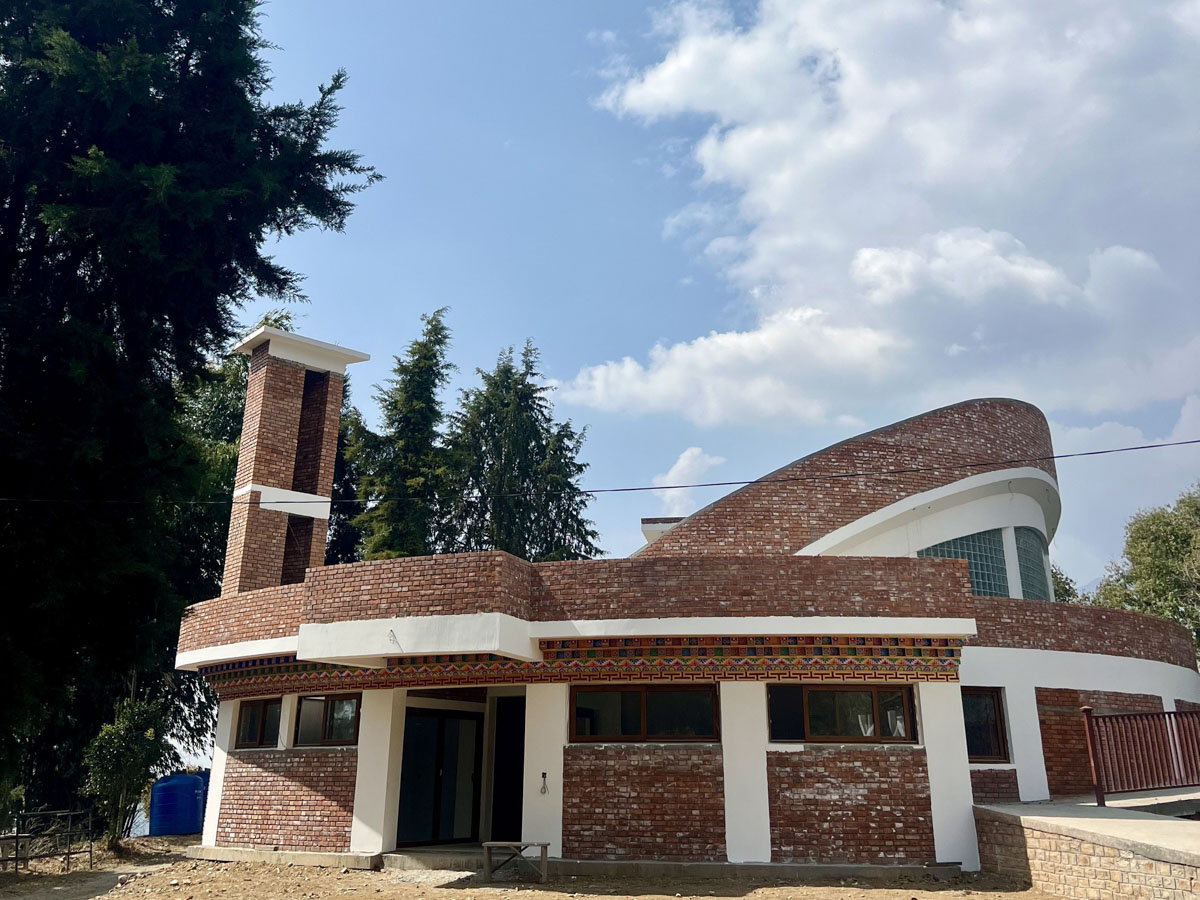
Round brick building
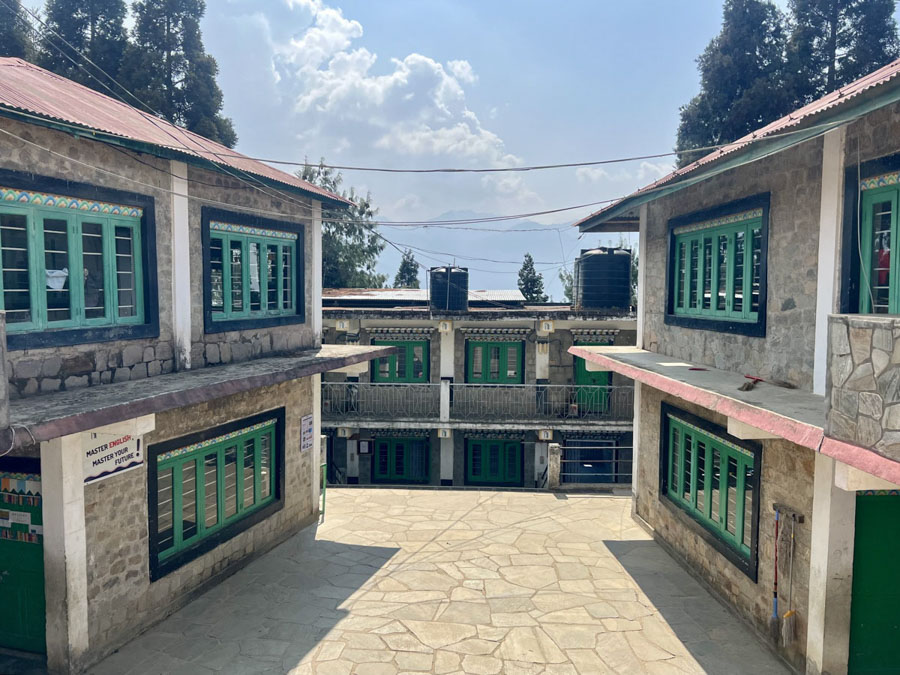
Classroom block
Hydroponics garden
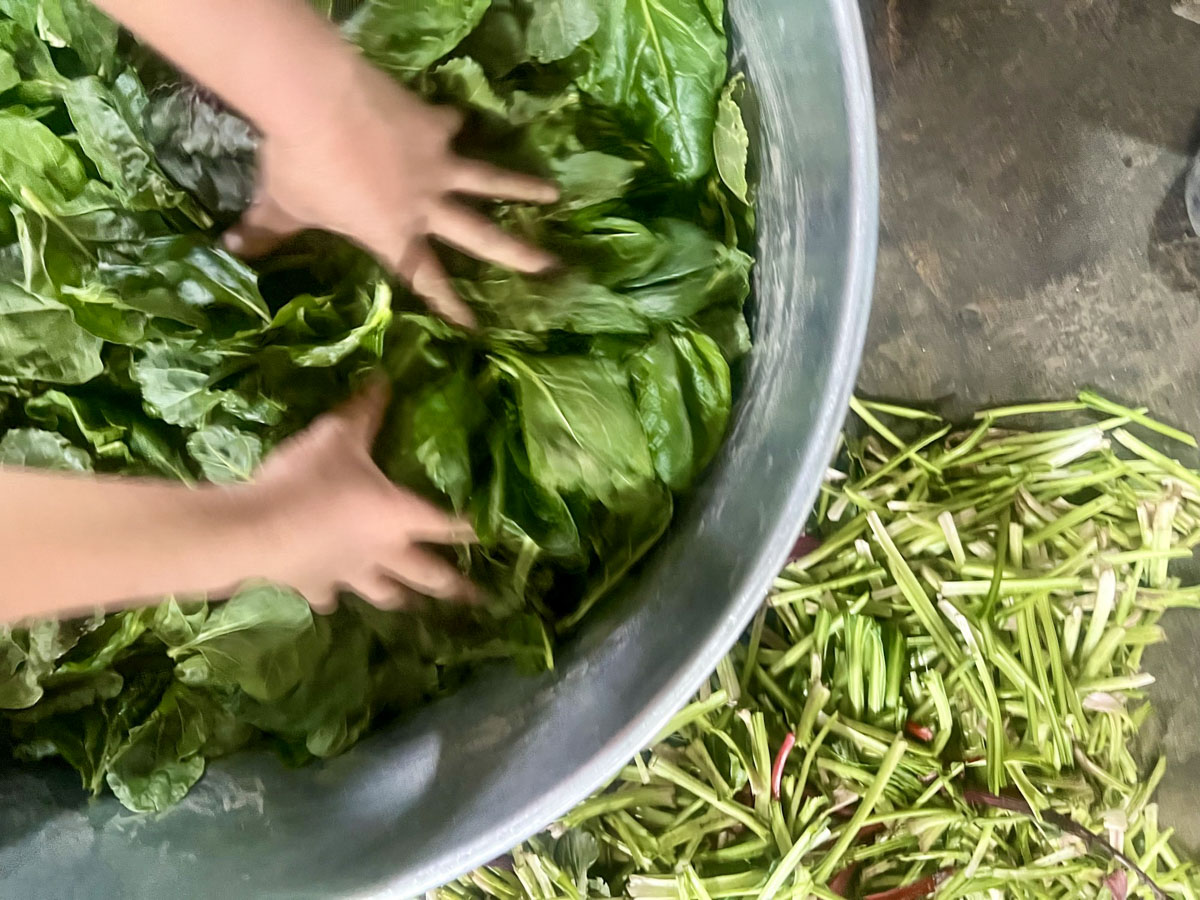
Washing freshly picked greens
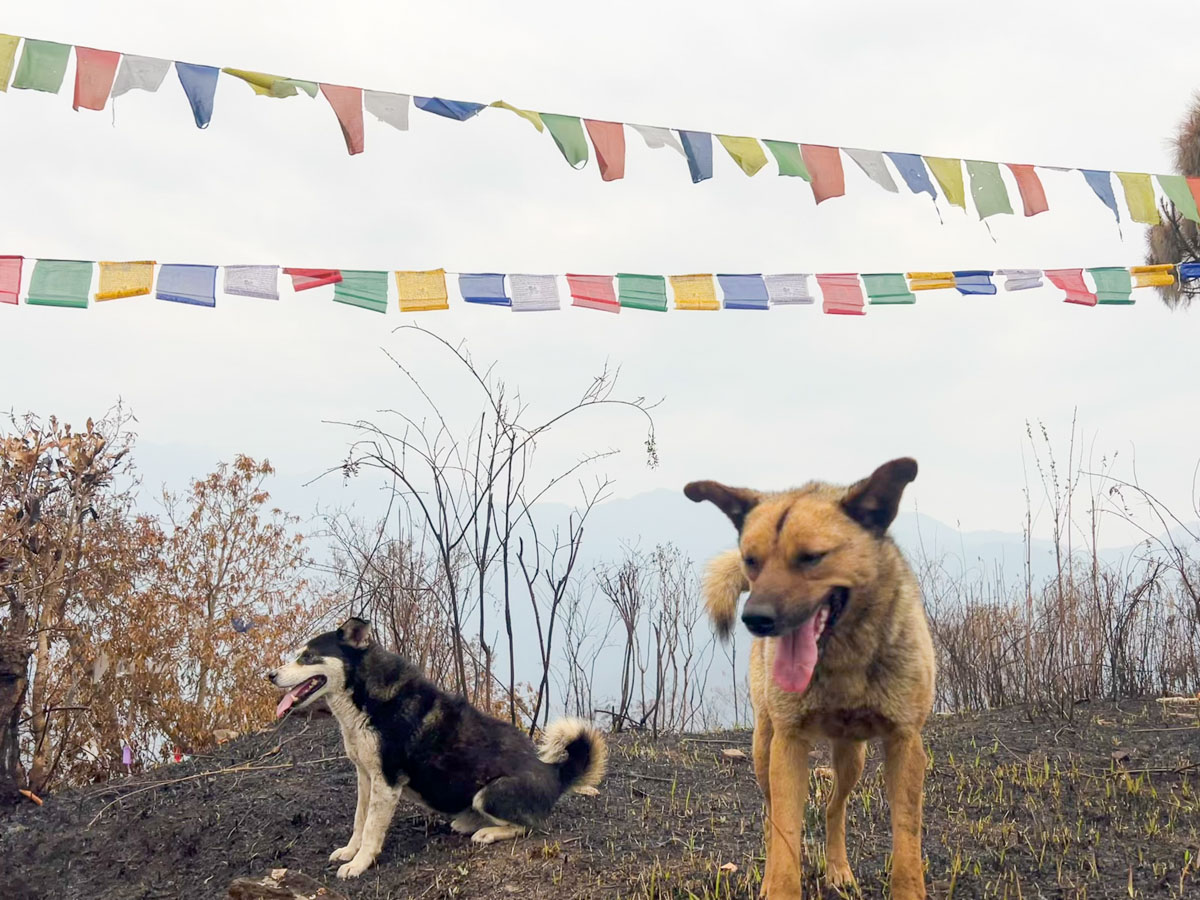
Jhamtse dogs
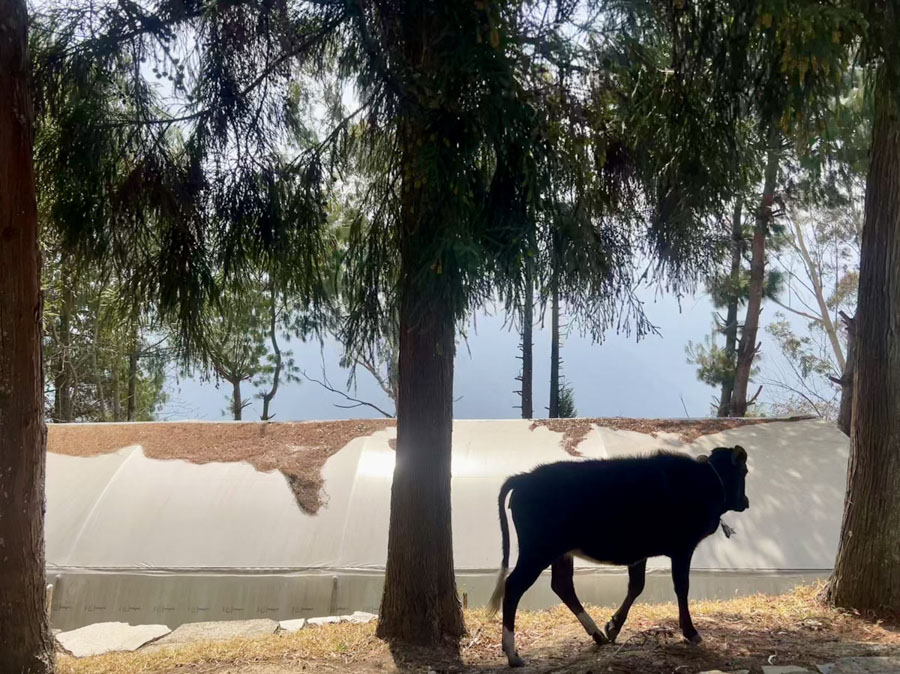
Cow grazing by the greenhouse
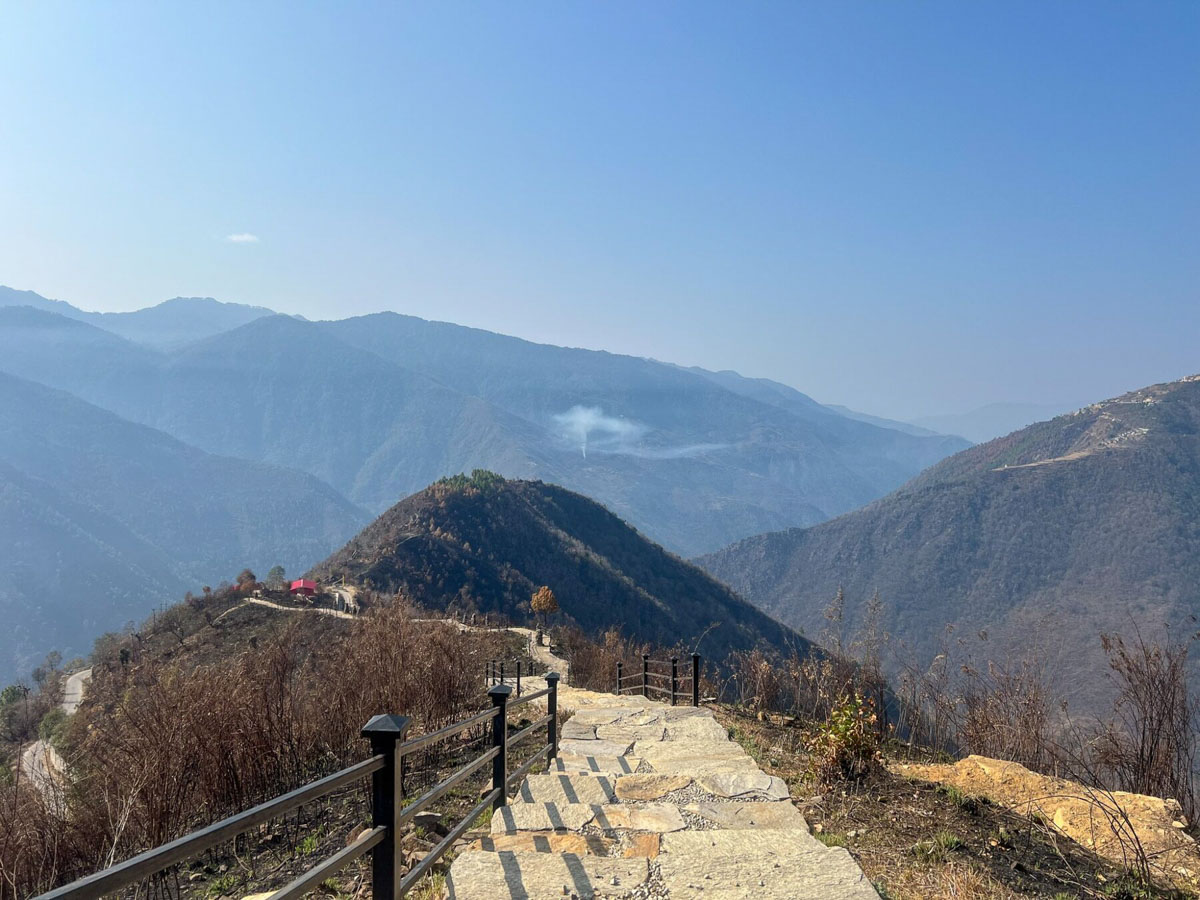
Ridge walk with valley view
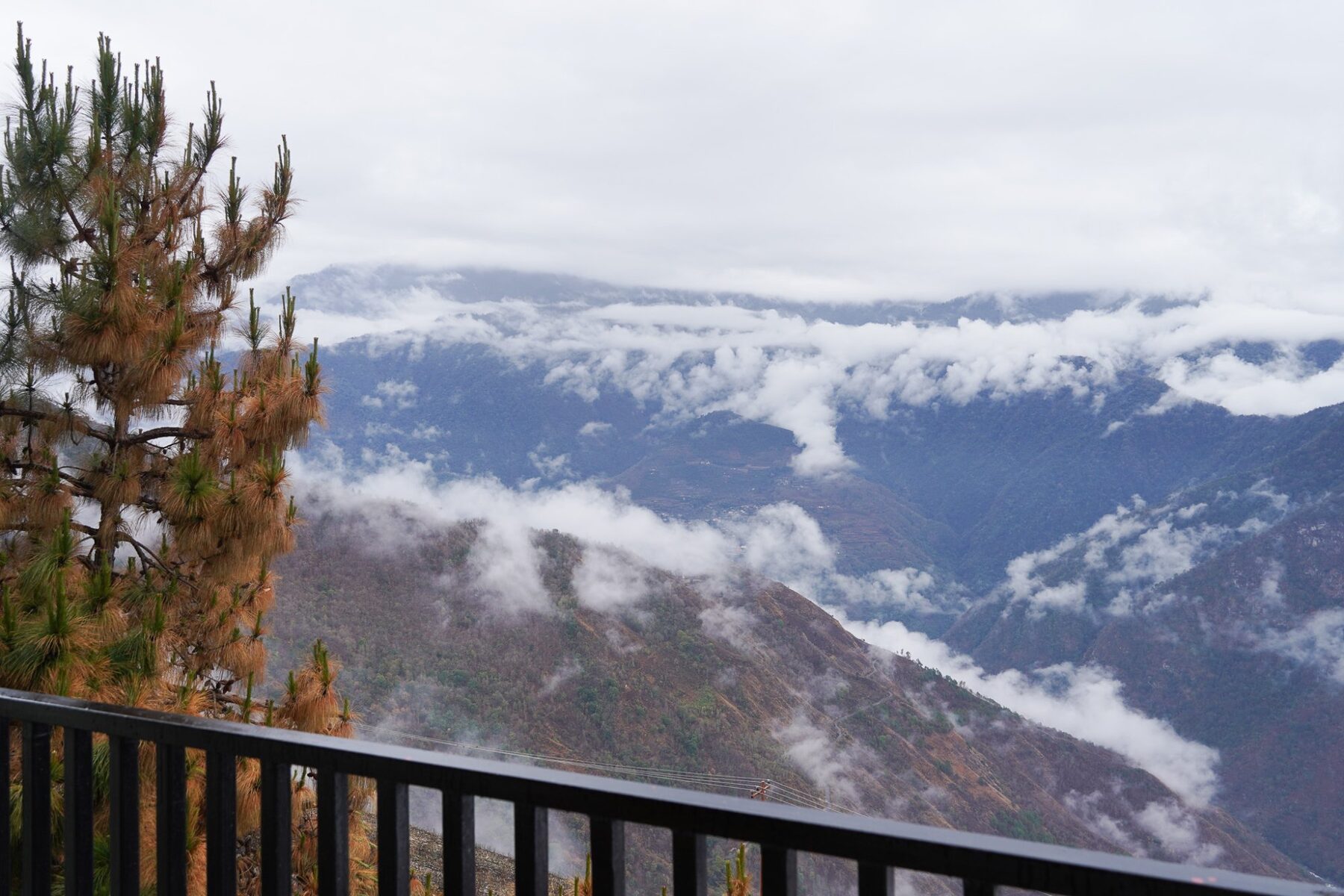
View from the guest room

We all have within us the seeds of compassion to heal ourselves and the world around us. With the right nurturance and the right environment, these seeds will take root and flourish within us.

Lobsang Phuntsok,
Founder of Jhamtse Gatsal

A Few Signs This Is Your Trip

This journey is built for people willing to slow down and let the place and the experience shift something within them.

You Travel With Intention

You think about why you're going, not just where, including where your money goes and what your visit leaves behind.

You Want Genuine Local Connection

For most days, we'll be living alongside people who've kept their own ways for generations, allowing real interactions.

You're Drawn to Nature and Quiet

Sacred valleys, monasteries, mountains that ask you to slow down. You came for the landscape, and you'll stay for the stillness.

You Don't Mind Long Mountain Drives

Winding roads and hours in the car don't put you off. You'd rather watch valleys and ridgelines unfold than rush past them.

You Can Handle a Bit of Grit

Comfort and polish look different out in rural India. Expect the odd rough patch, but stays and meals are vetted for hygiene and comfort.

You're Okay Losing Signal Now and Then

Connectivity is there when you need it, but you're not fazed by signal-free pockets in the mountains.

You Travel Well Alone and Well With Others

In a small group, you're part of something intimate. Never lost in a crowd, with room to connect at your own pace.

You Don't Need Every Day Mapped Out

Most days follow an itinerary, with a few left unstructured. Plans may change depending on conditions, and you take that in stride.

You Enjoy a Good Walk

Being mountains, some stretches carry an incline. The best way to see a place is on foot, so walks are built into the itinerary.

Where You're Going

Arunachal Pradesh, India
Where the journey unfolds

Arunachal Pradesh in Sanskrit means the Land of the Dawn-Lit Mountains. It is the first place in India to greet the rising sun, at the country's eastern edge where the Himalayas begin. Bordering Bhutan, China (Tibet), and Myanmar, it sits at a crossroads of cultures, visible in the faces, the food, the rituals.

Home to 26 major tribes and over 50 languages, it remains one of India's least explored regions. Isolation, dense forest and restricted access have kept it that way. What survives is rare: living traditions and wilderness still undisturbed.

Our journey heads into the western districts, Tawang and West Kameng. Rooted in Tibetan Buddhist culture, with ties that stretch across the borders of Tibet and Bhutan. Set among high passes, glacial lakes, and some of the most biodiverse forests on earth.

Watercolour map of Arunachal Pradesh
Tawang
where a horse chose the valley, and the world's largest monastery rose from it
+
Lumla mountain view
Tawang Monastery interior
Dawn-lit mountain

Tawang — "Chosen Horse." In the 17th century, a monk sent by the 5th Dalai Lama followed a horse through these mountains, and where it stopped, built a monastery. Today it's the largest Buddhist monastery outside Tibet, and the birthplace of the 6th Dalai Lama.

Centuries later, it was through Tawang, in 1959, that the 14th Dalai Lama crossed into India on his way into exile. Three years on, these same mountains became a theatre of war. A memorial in Tawang town still marks what happened here.

The Monpa people have called these valleys home for centuries. Tibetan Buddhist in faith, distinct in language and dress, they are keepers of the culture that defines this region. From the monastery to the yak herders on the high pastures.

The landscape rises in layers: valleys, rhododendron ridgelines, glacial lakes, up to Sela Pass at 4,170 metres, often snow-covered.

West Kameng
where orchards line the valleys and rivers wind through ancient forest
+
Chug Valley village
West Kameng oranges
West Kameng river

Before the ascent to Tawang, the land softens. Valleys lined with orchards of apple, kiwi, apricot, and orange. Rivers that run clear and cold from the high passes above. Forest rises in layers here: subtropical valley floor to temperate woodland to alpine meadow. A place of transition, in altitude, in climate, in rhythm. These valleys are also home to the Sherdukpen, a small community whose Buddhist faith is woven through with older animist traditions.

The forests here are home to the red panda, the clouded leopard, and the takin, a remarkable bovid found only in the eastern Himalayas. In the Sangti Valley, black-necked cranes arrive each winter from the Tibetan Plateau.

Assam
Where the journey begins and ends
Guwahati · Balipara
where tea grows in the shadow of the Brahmaputra, and the Himalayas begin
+
Assam tea plantation
Brahmaputra river
Wild Mahseer lodge

Assam is the plains before the mountains. Shaped by the Brahmaputra and its tributaries, it is one of India's great river plains: wide, fertile, and stretching east towards the first foothills of the Himalayas.

Guwahati
The largest city in northeast India and its cultural and commercial hub. Straddling the Brahmaputra, it has been a gateway to the northeast for centuries.

Balipara
A small town at the edge of the Assamese plains, where the foothills begin and the air cools. Tea gardens, river wetlands, and the first sight of the hills ahead. A stop to break up the journey before crossing into Arunachal Pradesh.

When did you last do something that gave you something to carry home?

Eleven Days. One Journey.

20th–30th October 2026

Set deep in the mountains, the school is not reached quickly. We take three days to arrive—moving with intention, pausing in places that invite attention—towards Jhamtse Gatsal.

Arrival in Assam: City to Tea Garden
Road In
01 Tue 20 Oct

Arrival in Assam: City to Tea Garden

We begin in the warmth of the Assam plains and stop at Balipara to break up the journey. A night at a heritage tea estate in the foothills of the eastern Himalayas.

  • Pick up from Guwahati and drive east (~4h)
  • Settle into a heritage bungalow on a tea estate
  • Stroll through the 145-year-old botanic garden and tea plantations
  • Dinner together and opening circle
Guwahati → Balipara Elevation: 50m → 150m
Into Arunachal: Foothills to Valley
Road In
02 Wed 21 Oct

Into Arunachal: Foothills to Valley

Today we enter Arunachal Pradesh, climbing into Chug Valley. The valley deepens, the air thins, the mountains open. A day of Monpa craft, cuisine and culture at 1,600 metres.

  • Drive north into Arunachal Pradesh (~4.5h) after breakfast
  • Lunch at a women-led eatery known for reviving traditional Monpa cuisine
  • Step into a 200-year-old Monpa home, a living museum, preserved exactly as it was built
  • Settle into a riverside homestay in Sangti Valley
Balipara → Dirang Elevation: 150m → 1,600m
Over the Pass: Glacial Lake to the School
Road In
03 Thu 22 Oct

Over the Pass: Glacial Lake to the School

The road climbs through one of India's most dramatic mountain corridors, past sacred glacial lakes and waterfalls. With a stop at Sela Pass at 4,170 metres before the descent to Jhamtse Gatsal at 2,000 metres.

  • Drive to Jhamtse Gatsal (~5.5h)
  • Stop at Sela Lake, the high-altitude glacial lake at the top of the pass
  • Lunch en route near Jung Waterfalls, a 100-metre cascade
  • Arrive Jhamtse Gatsal by evening
  • First dinner with the community
Dirang → Lumla Elevation: 1,600m → 4,170m → 2,000m
Jhamtse: A Day with the Founder & Community Photo courtesy of Jhamtse Gatsal
School
04 Fri 23 Oct

Jhamtse: A Day with the Founder & Community

A full day to settle into the rhythm of Jhamtse. Meet Lobsang Phuntsok — former monk, founder, teacher — and hear the stories of his journey, his philosophy and his wisdom. Walk through the community and meet the people who live here.

  • Sit with Lobsang for an unhurried chat. Ask him anything.
  • Visit the 'Khemsang' family house, walk through the organic garden and see the sustainability systems at work — led by the Amalas, in-house gardener and sustainability team
  • Dinner with the community
Lumla Elevation: 2,000m
Jhamtse: A Day at the Village
School
05 Sat 24 Oct

Jhamtse: A Day at the Village

An invitation into the Monpa hills, to the villages where the students grew up. Their homes, their families, their lives. Time in places most outsiders never reach.

  • A short drive to a nearby village
  • Share a home-cooked meal with local families
  • Guided walk through terraced rice paddies and farms
  • Spend a day in the village and return to the school by evening
Lumla Elevation: 2,000m
Jhamtse: A Day with the Students Photo courtesy of Jhamtse Gatsal
School
06 Sun 25 Oct

Jhamtse: A Day with the Students

Last full day at the school. It's the weekend: students free to do chores, play, just be kids. Join in, or watch. An afternoon of song and dance, and a last evening together.

  • Morning hike around the surrounding hills
  • Cultural performance by the students: traditional Monpa music, dance and song
  • Closing ceremony
  • Final dinner with the community
Lumla Elevation: 2,000m
Tawang: High-altitude Monastery Town
Road Out
07 Mon 26 Oct

Tawang: High-altitude Monastery Town

A last breakfast at the school before departure. Then a short drive up to Tawang town. We spend two nights here, at 3,000 metres.

  • Drive to Tawang (~1.5h)
  • Attend a prayer session, sharing butter tea and conversation with a monk
  • Visit Tawang Monastery, 400 years old, the largest in India
  • Visit Urgelling Monastery, 15th-century, birthplace of the 6th Dalai Lama
  • Settle into a Monpa homestay and unwind at your own pace
Lumla → Tawang Elevation: 2,000m → 3,000m
Tawang: Free & Easy
Road Out
08 Tue 27 Oct

Tawang: Free & Easy

A free and easy day, shaped around what you'd like to do: take a guide, explore on your own, or simply rest.

  • Ways to spend the day:
  • Trek into the mountains for the day
  • Try your hand at a local craft
  • Wander the village, including the home of the 6th Dalai Lama's descendants
  • Step into the Museum of Valour and War Memorial
  • Seek out nearby gompas and other spiritual sites
Tawang Elevation: 3,000m
Shergaon: The Longest Drive
Road Out
09 Wed 28 Oct

Shergaon: The Longest Drive

We cross the Sela Tunnel and descend through the mountains to Shergaon. A picturesque village at 1,800 metres, our longest drive of the trip.

  • Bird-watching at dawn
  • Drive to Shergaon (~6h)
  • Settle into a Sherdukpen homestay and unwind at your own pace
Tawang → Shergaon Elevation: 3,000m → 1,800m
Shergaon: An Unhurried Last Day
Road Out
10 Thu 29 Oct

Shergaon: An Unhurried Last Day

Apple orchards and river trails through pine-forested hills. The right place to let everything settle before the journey ends.

  • Ways to spend the day:
  • Cycle through the valley
  • Harvest apples in the orchard
  • Picnic by the river
  • Walk the river trail or up to the hidden waterfall
  • Fish river trouts, then cook your catch
  • Barbecue dinner and closing circle
Shergaon Elevation: 1,800m
Departure: Mountains to the Plains
Road Out
11 Fri 30 Oct

Departure: Mountains to the Plains

One last quiet morning in the mountains before the winding descent to the flat plains of Assam.

  • Breakfast at the homestay
  • Farewell to Arunachal Pradesh
  • Drive to Guwahati (~5.5h), arriving by late afternoon
Shergaon → Guwahati Elevation: 1,800m → 50m

Why This Is Different

An immersion into a way of living most of us have never encountered, or forgotten. Somewhere few ever go, where every visit gives something back.

Living with the Community

For 20 years, Jhamtse Gatsal has lived with compassion and love at its centre. You are invited into daily life with conversation that goes both ways. It's a chance to experience a way of life genuinely different from your own, here in the mountains.

Built to Give Back

Every dollar of profit from this journey goes directly to Jhamtse Gatsal, funding the school and supporting the wider community. A place that's welcomed visitors quietly for years is opening its doors more widely, and your trip helps it grow.

A Place Apart

A pocket of India on the Tibetan border, shaped by a sacred Buddhist history few places can claim. A special permit is required. Few have heard of it: no crowds, just mountains and people who have lived here for generations.

I Planned to Stay Two Days.
I Stayed Twenty.

In February 2026, I travelled solo to Arunachal Pradesh and found myself at a children's community perched on a 2,000-metre ridge.

Mornings begin early. Children sweep the courtyards at dawn and tend gardens after class. Each day has time set aside for stillness. Laughter echoes across the ridge. Gratitude is spoken before each meal, much of it grown steps away.

What kept me wasn't just the energy of the place, or the people I got to know: Genla (founder), Amalas (housemothers), the teachers, those quietly keeping the community running. It was also the way they lived. Compassion and mindfulness weren't things they simply talked about; they were part of everyday life. And you could see it in the children they raised.

I live in Singapore and recently spent nine months travelling through the Himalayas. I thought I'd only pass through Jhamtse. But what I found there moved me enough that I knew I had to return, and bring others with me.

This journey is co-designed and co-led with Rinchen Tsering. Every dollar of profit goes to the community.

— Christina

Christina and Rinchen at Jhamtse Gatsal

Christina and Rinchen in Tawang during Losar 2026, the Tibetan New Year.

Meet Rinchen

Part of the first group of children raised at Jhamtse Gatsal, Rinchen studied Travel and Tourism Management, spent three years working at a travel company in Delhi, then chose to come home. He is now serving as the school's Admin and Operations Manager. Read his full story.

An Invitation

Drop us a line. We're happy to answer any questions and help you figure out if this journey's right for you.

Message On Whatsapp
or

Prefer email? Write to intoarunachal@gmail.com

Questions You Might Have

We've tried to anticipate what you're wondering. If something's still unclear, get in touch.

How is this trip organised?+

This trip is co-designed with Rinchen, who grew up at Jhamtse Gatsal and worked in Delhi's travel industry before returning. Rinchen and the school handle everything on the ground: bookings, permits, transport, and accommodation. I've spent a month in Arunachal Pradesh, and the itinerary is built around my time in Jhamtse Gatsal and the places we will be visiting. I'll be there with the group as a co-host.

What will the group be like?+

We keep our groups small, with a maximum of 6 guests. Whether you're travelling solo or with a friend, partner or family member, you'll be part of a small group of thoughtful, curious people drawn to the same kind of experience. Keeping the group small also helps preserve the intimacy of the journey and minimise our impact on the local communities.

How do I get there?+

Fly into Guwahati (GAU). From Singapore, Druk Air flies to Guwahati as the first stop on its Paro-bound service, currently three times a week (around 4h 40m). Guwahati is also well-connected to major Indian cities — Delhi, Mumbai, Kolkata, Bangalore, Chennai, and more. We'll arrange your comfortable transfer from the airport to Jhamtse Gatsal, with full travel instructions provided once you book.

Do I need an Indian visa or special permit?+

Foreign nationals need an Indian visa and a Protected Area Permit (PAP) for Arunachal Pradesh. Indian nationals need an Inner Line Permit (ILP). We handle all permit logistics once you have your visa. Apply for your Indian visa at least 4 weeks before travel, as PAP processing may take up to 2 weeks.

Why does Arunachal Pradesh require special permits?+

Arunachal Pradesh shares sensitive international borders with China, Bhutan, and Myanmar, and the permit system helps manage security in these strategic areas. It also protects indigenous tribal communities and fragile ecosystems from unregulated tourism.

What is the price of this trip and how does payment work?+

Payment goes directly to Jhamtse Gatsal, who cover the journey's running costs. Any surplus goes toward supporting the community further. If you'd like to know the price, feel free to reach out and we'd be happy to walk you through it.

Where will I stay?+

A mix of heritage homestays, boutique hotel, and four nights at Jhamtse Gatsal itself. Each stay has its own character, no two stays look the same.

Guest room at Jhamtse Gatsal Jhamtse Gatsal
Tea Estate Stay Tea Estate Stay
Homestay in the Monpa villages Sangti Valley Homestay
Homestay in the Monpa villages Tawang Homestay
Homestay in the Monpa villages Homestay

At the school, choose between hand-built earthen cottages for local building tradition, or newer one-bedroom rooms with a modern, boutique feel.

Homestays are simpler and more modest, with basic but clean rooms. You're a guest in a family home. It's a trade of polish for authenticity.

All rooms are ensuite with hot water, though occasional power issues in this remote region can interrupt supply.

How does the itinerary account for altitude?+

We've thoughtfully designed the itinerary to give your body time to adjust, rather than taking you straight from the lowlands to high altitude. We start near sea level, move to Dirang at 1,500m, then cross Sela Pass at 4,170m on Day 3 with only a brief stop, before descending to around 2,000m for four nights. Tawang at 3,000m is only visited later, on Day 7. Most people adjust well with this gradual approach.

What is the transportation and roads like?+

We travel in MPVs (Toyota Innovas or equivalent) throughout, with regular stops to stretch and take in the scenery. Main roads are generally paved and in good condition, though they get bumpier closer to smaller towns and remote areas. Some drives run 5-6 hours on winding mountain roads. This is a genuinely remote region, and road time is a real part of each day.

If you're prone to motion sickness, bring whatever medication or remedies you normally use and ask to sit towards the front of the vehicle.

What's the weather like, and what should I pack?+

Late October brings crisp, post-monsoon weather with clearer skies and excellent mountain views. Daytime temperatures run around 15–20°C in Shergaon and Dirang, cooler in Lumla, and 8–12°C in Tawang. Sela Pass can drop to freezing or below, and Tawang nights approach 0°C by month's end.

Days are short — sunrise around 5:30am, sunset around 4:45pm — and mountain terrain can make it feel darker earlier. We plan drives and walks with daylight in mind.

Pack in layers as a starting point: warm fleece or down jacket, waterproof/windproof outer layer, walking shoes, warm socks, sun protection, sunglasses, hat or beanie. We'll send a full packing list once you book.

What about food and dietary restrictions?+

You'll experience traditional Monpa cuisine: thukpa (noodle soup), handmade momos, wild greens, buckwheat flatbreads, chhurpi (traditional cheese), butter tea, plus Himalayan staples like dal, rice, curries, and local meats. Meals vary from day to day and are made with fresh local ingredients.

Vegetarian diets can be accommodated. If you have food allergies or other dietary requirements, please let us know in advance so we can plan accordingly.

Is there wifi/mobile connectivity?+

Wifi — The Jhamtse Gatsal compound has reliable wifi in key areas, including your accommodation. Hotels typically offer wifi, but homestays usually don't — and where they do, it may be weaker and intermittent.

Mobile coverage — You can get high-speed data in major towns like Tawang and Dirang. However, in more rural and remote stretches, it can sometimes be slow and patchy, or have no connectivity at all. International SIMs may not always work so we recommend picking up an Indian SIM in Guwahati for reliable coverage. If you do lose signal on the mountain roads, consider it a feature: genuine disconnection.

What languages are spoken? Will I be able to communicate?+

Jhamtse Gatsal is an English-medium school, so you'll be able to communicate there without difficulty, though fluency varies by age group. Beyond the school, Hindi is the common language across the wider region, with local tribal languages (eg. Monpa in Tawang) spoken day to day. You'll hear Tibetan chanted during prayers and monastery visits.

Can I extend my stay or explore other parts of Arunachal Pradesh?+

Yes, you're welcome to add a few days after the trip.

Staying longer at Jhamtse Gatsal is simplest: just let us know when you book. Exploring further afield in the region is also possible, but some areas remain restricted for foreign nationals and it's permit-dependent, so it needs to be arranged in advance rather than decided on the ground. Get in touch before booking and we'll tell you what's realistic for your dates.